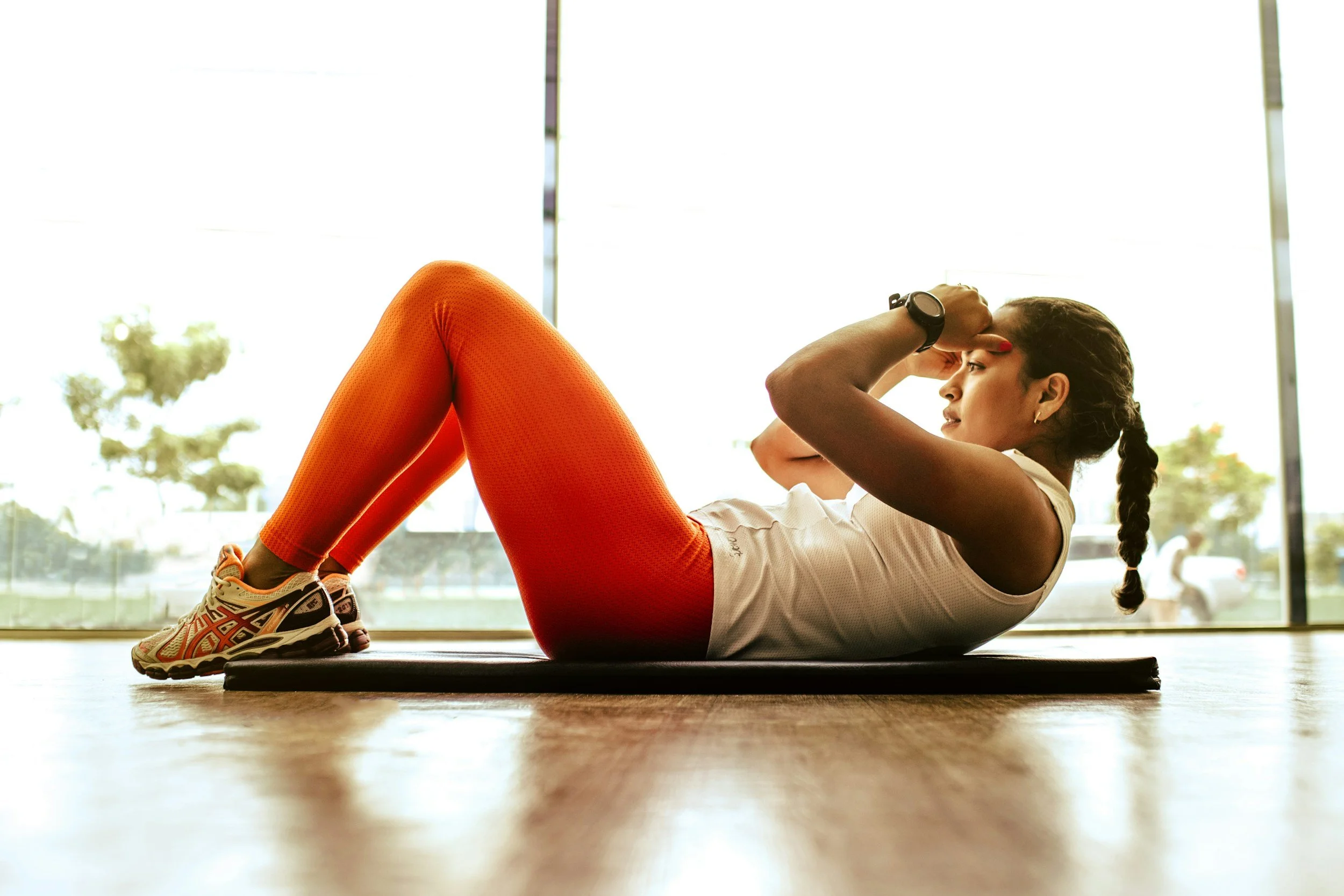
Welcome!
Consult your physician and submit the liability form below. This guide is for general information and is not intended to diagnose, treat, or cure any disease. All program materials and access links are for your personal use only. Please do not copy, share, or distribute them. Respect Tatiana Tamai’s intellectual property, including Booiaka®.
Review your client guide, nutrition guide, and grocery list. Schedule your workouts and set a small, achievable weekly goal. Track your progress with measurements. Follow the exercise guidance, stretch after workouts, and listen to your body.
HEALTHY CHOICES
Small choices. Consistent practice. A healthier you.
Select a topic to explore your guide.
Choose Wisely
Set yourself up with everyday habits that support your goals.
- Track your progress: If helpful, take weekly photos or measurements. You can also note changes in your energy, strength, and how you feel.
- Move throughout the day: Take the stairs when you can, go for a walk, and keep your scheduled workouts.
- Stay hydrated: Drink water throughout the day. Warm water with fresh lemon is an option if you enjoy it.
- Shop with intention: Make a grocery list and avoid shopping hungry. Choose seasonal and local produce when available; fresh, frozen, and canned options can all fit.
- Prepare ahead: Keep nourishing meals and snacks ready in food containers so you have convenient choices when hunger arrives.
- Choose variety: Include vegetables, fruit, protein, fiber-rich carbohydrates, and healthy fats. Use the food examples in “Balance Your Plate.”
- Be mindful of extras: Limit alcohol, added sugars, and highly processed snacks. When eating out, look for meals that include vegetables and a protein source.
- Build support: Share your goals with friends who will encourage you.
Optional tracking tools
If food logging helps you, use a journal or MyFitnessPal. Your calorie needs are individual; a registered dietitian can help you set appropriate goals.
If you are interested in body-composition testing, discuss whether it would be useful with a qualified healthcare professional. You can explore BodySpec as an optional resource.
Strive for consistency, not perfection. Small victories count.
Balance Your Plate
Balance begins with awareness—in what we do, think, eat, and feel. Give your body a variety of foods that support your energy and recovery.
Protein
Supports the building and repair of body tissues, including muscle.
Food choices: Eggs, egg whites, fish, chicken, turkey, beans, lentils, tofu, and low-fat dairy. A protein shake can be a convenient option.
Fiber-rich carbohydrates
Provide fuel for your body and brain and help replenish energy stores after exercise.
Food choices: Oats, whole-grain bread or tortillas, high-fiber cereals, beans, peas, lentils, quinoa, potatoes, sweet potatoes, and fruit.
Healthy fats
Support cell function and help your body absorb certain vitamins.
Food choices: Unsalted nuts, seeds, nut butter, extra-virgin olive oil, avocado, olives, and oily fish such as salmon.
Vegetables, fruit & variety
Include a range of colors and foods you enjoy. Try vegetables such as zucchini alongside your grains or pasta. Choose dairy alternatives according to your needs and check their labels for protein and added sugar.
Portions and nutrient needs vary. Choose a balanced approach that suits your activity, health, and goals rather than one fixed calorie target or percentage split.
Prepare for Your Session
- Have your essentials ready: Water, a towel, a mat, and any equipment listed for the session.
- Set up your space: Allow enough room to move safely and wear clothing and footwear suited to the activity.
- For online sessions: Check your connection, sound, and screen position before you begin. Have your favorite music ready if the session calls for it.
- Arrive on time: Give yourself a few minutes to settle in and respect the scheduled session time.
- Check in: Let your instructor know about any relevant limitations or discomfort so you can discuss modifications.
Before & After Your Workout
- Before: Allow time to digest a meal. If you need a snack closer to your workout, choose something light that you tolerate well, such as fruit.
- Warm up: Start with 5–10 minutes of gentle movement and gradually increase your pace.
- During: Sip water and adjust your effort to your ability. Take breaks as needed.
- After: Refuel with a meal or snack containing carbohydrates and protein, such as yogurt with fruit or eggs with whole-grain toast.
- Cool down: Gradually lower your pace for 5–10 minutes. Stretch gently while your muscles are warm, without bouncing or pushing into pain.
Listen to your body: Stop exercising if you feel dizzy, faint, or unwell, and notify your instructor. Seek medical advice if symptoms persist or recur; seek urgent help for severe symptoms.

YOUR MEAL GUIDE
Plan ahead. Keep it simple. Enjoy your food.
Explore your grocery list, meal ideas, and everyday tips.
Grocery List
Shop for the meals you plan to make. Repeat favorites and adapt ingredients to your preferences, allergies, and dietary needs. Plant-based substitutions are welcome.
Fruit
Bananas, strawberries, blueberries, apples, grapefruit, oranges, and raisins.
Vegetables
Spinach, kale, mixed greens, lettuce, broccoli, carrots, asparagus, zucchini, tomatoes, cucumber, peas, eggplant, fennel, Brussels sprouts, bell peppers, squash, cauliflower, and celery.
Protein
Eggs or egg whites, chicken or turkey breast, salmon, smoked salmon, tuna, white fish, tofu, beans, and lentils. For burger meals, choose chicken, turkey, lean beef, or veggie patties. Add turkey meatballs if planned.
Grains & pantry staples
Whole-grain bread, crackers, oats, quinoa, brown rice, pasta or rice pasta, potatoes, sweet potatoes, almond flour, marinara sauce, and vegetable broth. Zucchini noodles and cauliflower pizza crust are optional alternatives.
Dairy & alternatives
Yogurt, mozzarella, ricotta, and milk or your preferred plant-based alternatives, such as almond or oat milk.
Nuts, spreads & extras
Almonds, seeds, peanut or almond butter, avocado, olives, olive oil, hummus, lemon, vinegar, mustard, garlic, herbs, and pepper. Optional: protein powder, protein bars, trail mix, and honey.
Check the recipes you choose before shopping for quantities and any extra ingredients. Buy gluten-free products when they suit your dietary needs.
Breakfast Ideas
- Whole-grain toast with peanut or almond butter; add a little honey if desired.
- Smoothie with banana, spinach, frozen berries, almonds or nut butter, and milk of your choice. Add protein powder if desired.
- Eggs with spinach, kale, broccoli, or avocado; or egg whites with ricotta and spinach.
- Smoked salmon with egg whites, vegetables, and whole-grain toast.
- Oatmeal with berries or other fruit.
- Yogurt or a plant-based alternative with fruit and almonds.
- Pancakes or egg muffins for variety.
Coffee or tea is optional; keep added sugar modest.
Lunch Ideas
- Quinoa or brown rice with marinara sauce, zucchini, and beans.
- Tuna salad with avocado, tomatoes, and greens.
- White fish with rice, beans, and asparagus.
- Turkey or chicken burger with broccoli, peas, or mixed vegetables.
- Mixed salad with your choice of protein; or a fruit or açaí bowl with yogurt and nuts.
- Vegetable minestrone or lentil soup with whole-grain toast or crackers.
- Pasta with vegetables, or cauliflower-crust pizza with your favorite toppings.
- Chicken or turkey sandwich with lettuce and tomato.
- Caprese salad with whole-grain toast or crackers.
- Tomato soup with a grilled cheese or turkey sandwich.
- Grilled chicken or turkey breast with sweet potatoes and mixed greens or peperonata (cooked bell peppers).
Dinner Ideas
- Chicken breast or a turkey burger with salad.
- Squash or vegetable soup with a turkey sandwich; or zucchini noodles with marinara and your choice of protein.
- Chicken or white fish with mixed vegetables.
- Tuna or tofu with avocado, cucumber, and tomatoes.
- Salmon with carrots, tomatoes, and Brussels sprouts or rice.
- Roasted white fish with rice and broccoli or spinach.
- Veggie burger with roasted asparagus and eggplant.
- Chicken or lean beef burger with greens and roasted potatoes.
- Turkey meatballs with roasted sweet potatoes.
- White fish with fennel and olives.
Mix, match, and repeat meals you enjoy. Adjust portions to your hunger, activity, and individual needs.
Snack Options
- Celery, carrots, cucumber, broccoli, or cauliflower with hummus.
- An apple, banana, strawberries, or other berries.
- A small handful of almonds, seeds, or trail mix with raisins.
- A hard-boiled egg or tuna lettuce wraps.
- Oatmeal or yogurt with oats and fruit.
- A fruit smoothie with milk or a plant-based alternative.
- A protein bar when you need a convenient option.
Choose a snack when you are hungry and a portion that leaves you comfortably satisfied.
Dressings, Flavor & Supplements
Keep flavor simple
Try olive oil with lemon or apple cider vinegar. Add garlic, herbs, pepper, mustard, ginger, or turmeric to taste.
Choose extras thoughtfully
Use dressings, mayonnaise, ketchup, barbecue sauce, butter, and sweeteners in amounts that suit your meals. Choose dairy or plant-based alternatives according to your preferences and needs.
Supplements are individual
Magnesium, probiotics, and other supplements are not a required part of this guide. Ask your healthcare professional whether a supplement is appropriate before taking it, especially if you use medication.
Kombucha is an optional drink; check the label for added sugar. Ginger and turmeric can simply be used as cooking ingredients.
A Simple Guide to Portions
The plate method
- Half your plate: Salad or non-starchy vegetables.
- One quarter: A protein source.
- One quarter: Grains or starchy foods, such as rice, pasta, or potatoes.
A quick hand-size reference
- Vegetables: About two handfuls.
- Protein: About the size of your palm.
- Grains or starchy foods: About a cupped hand.
- Fruit: About the size of your fist.
- Nuts or seeds: A small handful.
These are starting points, not strict limits. Your needs depend on your body, activity, and health. Adjust portions with guidance from a registered dietitian when needed.


FUN BREAKFAST RECIPES
Three easy recipes to bring variety to your mornings.
Tap a recipe to see the ingredients and steps.
Berry Protein Pancakes
Ingredients
- 1 tablespoon chia seeds
- 4 tablespoons almond milk
- ½ cup almond flour
- 3 tablespoons protein powder
- 1 teaspoon baking soda
- 2 eggs
- Coconut oil, for cooking
- ½ cup fresh berries, for topping
Directions
- Combine the chia seeds and almond milk. Let soak while you prepare the other ingredients.
- Mix the almond flour, protein powder, and baking soda in a bowl.
- Whisk in the eggs and soaked chia mixture until combined.
- Heat a lightly oiled skillet over medium heat. Spoon in small portions of batter. Once the edges set and bubbles appear, flip carefully and cook until golden and cooked through.
- Serve topped with fresh berries.
Banana Pancakes
Ingredients
- 2 bananas
- 4 eggs
- ½ cup vanilla protein powder
- ½ teaspoon cinnamon
- Cooking oil or spray, for the skillet
- 1–2 tablespoons maple syrup, optional topping
Directions
- Mash the bananas with a fork. Whisk in the eggs, then stir in the protein powder and cinnamon.
- Heat a lightly oiled skillet over medium heat.
- Spoon in small portions of batter. Cook until the underside is golden and the edges are set. Flip gently and cook through.
- Finish with a little maple syrup, if desired.
Simple variation: Mash 1 banana with 1 egg. Cook as small, delicate pancakes, flipping carefully once set.
Breakfast Egg Muffins
Makes: 12 muffins · Oven: 350°F (175°C)
Ingredients
- 8 eggs
- 1 cup egg whites
- ½ teaspoon sea salt
- ¼ teaspoon black pepper
- ½ teaspoon garlic powder
- 1 red bell pepper, finely chopped
- 2 cups baby spinach or other leafy greens, roughly chopped
- Cooking oil or spray, for the muffin tin
Directions
- Preheat the oven to 350°F (175°C). Lightly grease a 12-cup muffin tin.
- Whisk the eggs, egg whites, salt, pepper, and garlic powder in a bowl.
- Stir in the bell pepper and spinach.
- Divide the mixture evenly among the muffin cups.
- Bake for approximately 15–20 minutes, or until the centers are fully set and cooked through. Add time as needed.
- Let cool slightly before removing from the tin.

Tuesdays & Thursdays 8.30am
Join the online sessions live with Taty
ONLINE GYM
Take your workout anywhere at anytime!
Make sure to follow us on Instagram and tag #bookinichallenge along your journey
BOOIAKA CHALLENGE · INTRODUCTION
Welcome to the #BookiniChallenge
The secret of your success is found in your daily routine!
BOOIAKA CHALLENGE
DAY 1: HIIT | 17 minutes
Dynamic Warm-Up - 6 min
Squat & Punch Set - 4 min
Glutes Set - 4 min
Abs - 3 min
BOOIAKA CHALLENGE
DAY 2: Flexibility & Balance | 48 minutes
Barre - 15 min
Floor - 22 min
Stretching - 6 min
Meditation - 5 min
BOOIAKA CHALLENGE
Day 3: HIIT | 14 minutes
Get it started - 4 min
Jack Set - 4 min
Back, Core set - 4 min
Fusion set - 2 min
BOOIAKA CHALLENGE
Day 4: Decompress | 20 minutes
TODAY’S BOOST · MINDFULNESS
Mindfulness is your task for today.
Find a quiet place to do your workout. Be present.
Acknowledge each part of your body. Release. Let go.
Back decompression & Meditation - 20 min
BOOIAKA CHALLENGE
Day 5: Booiaka | 52 minutes
Part 1 - 36 min
Part 2 - 16 min
BOOIAKA CHALLENGE
Day 6: HIIT | 31 minutes
Warm up - 5 min
Abs - 11 min
Floor - 11 min
Burpees HIIT - 4 min
BOOIAKA CHALLENGE
Day 7: Supercardio | 31 minutes
Flashdance Warm-Up - 8 min
Game Climb - 5 min
Super Core - 8 min
Skater Game Set - 10 min
BOOIAKA CHALLENGE
Day 8: Decompress | Day 9 Flex & Bal
Back decompression & Meditation - 20 min
Flexibility & Balance - 40 min
BOOIAKA CHALLENGE
Day 10: Just Dance | 10 min
Cause of Love Dance - 4 min
Go Crazy Dance - 3 min
On the Sun Dance - 3 min
BOOIAKA CHALLENGE
Day 11: Learn a choreography | 52 minutes
Watch
Steps breakdown
Back
Have fun!
BOOIAKA CHALLENGE
Day 12: Congratulations | 20 minutes
YOU DID IT
Congratulations — you made it to 12 consecutive days!
Today pick your favorite workout from the above list.
Back decompression & Meditation - 20 min
POSTURE, SAFETY & STRETCHING